News
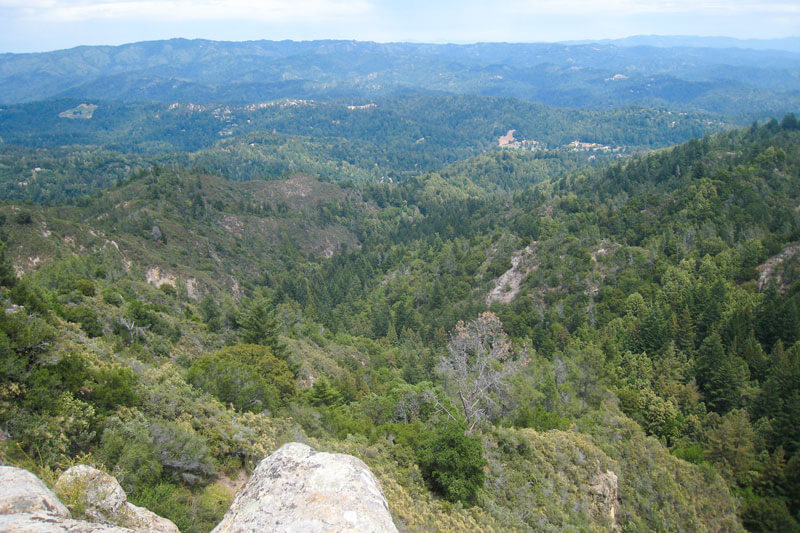
California State Parks and Sempervirens Fund announce the permanent addition of the 153-acre NoraBella property to expand Big Basin State Park.
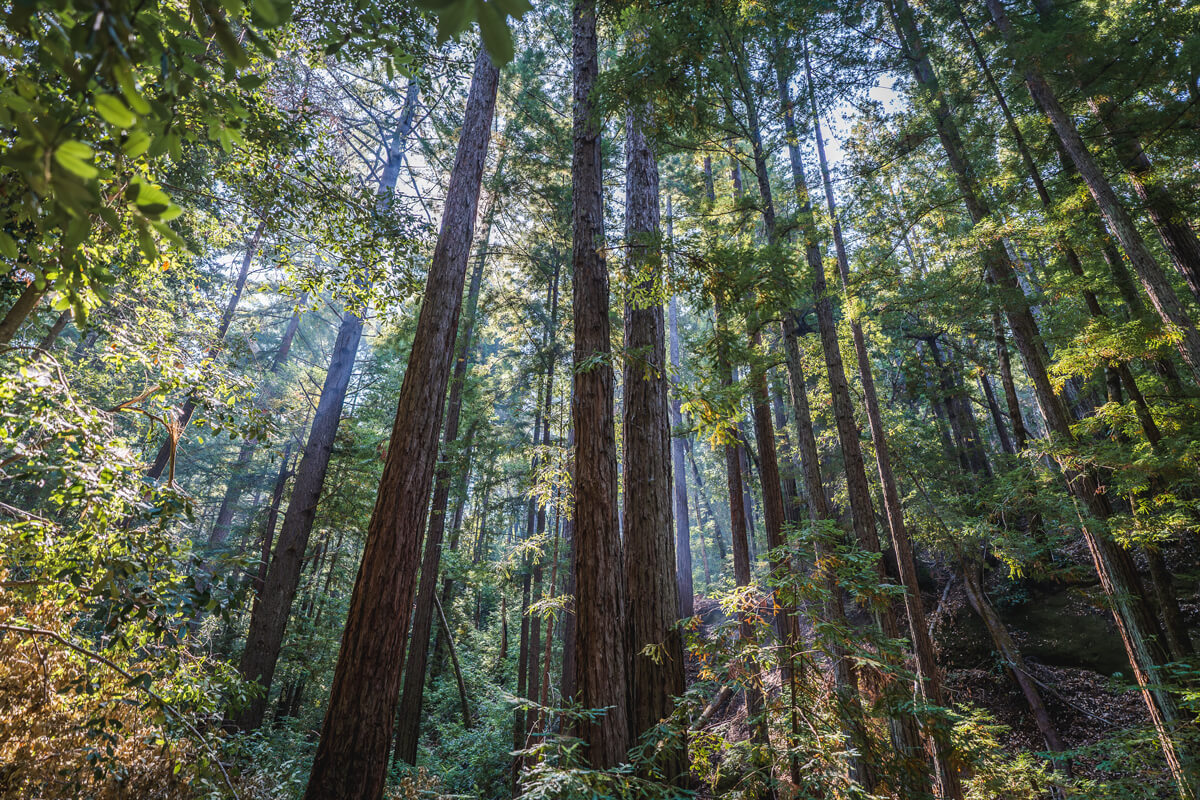
Surviving since nearly the age of the dinosaurs, redwoods are resilient—but only 5% of them have survived the last century and a half. Human impacts have left redwood forests struggling to recover. Together, we are carefully caring for the redwood forests you protect, resetting their natural systems, and helping them return to nature. Take a peek behind the trees at how you have helped the redwood forests of the Santa Cruz mountains–some of the most biodiverse and threatened on Earth–this year.

The new year often brings contemplation, motivation and resolution for greater health and happiness. In 2026, consider adding nature to your list. Nature encounters can be big, bold adventures, or family-friendly and free. There is something for everyone in this list of ten reasons, doctor’s orders, to opt outdoors this year:
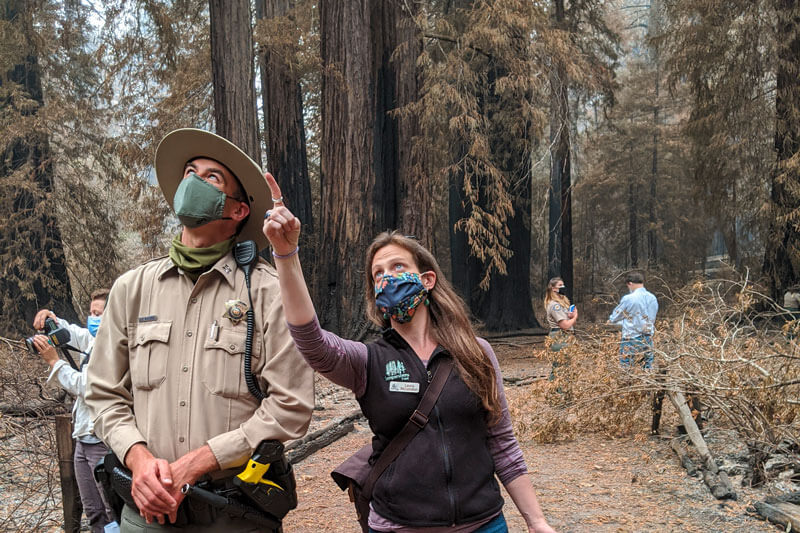
In August 2021, a year after the CZU fire, California State Parks launched a visioning process for Reimagining Big Basin. Learn more, connect, and stay involved.
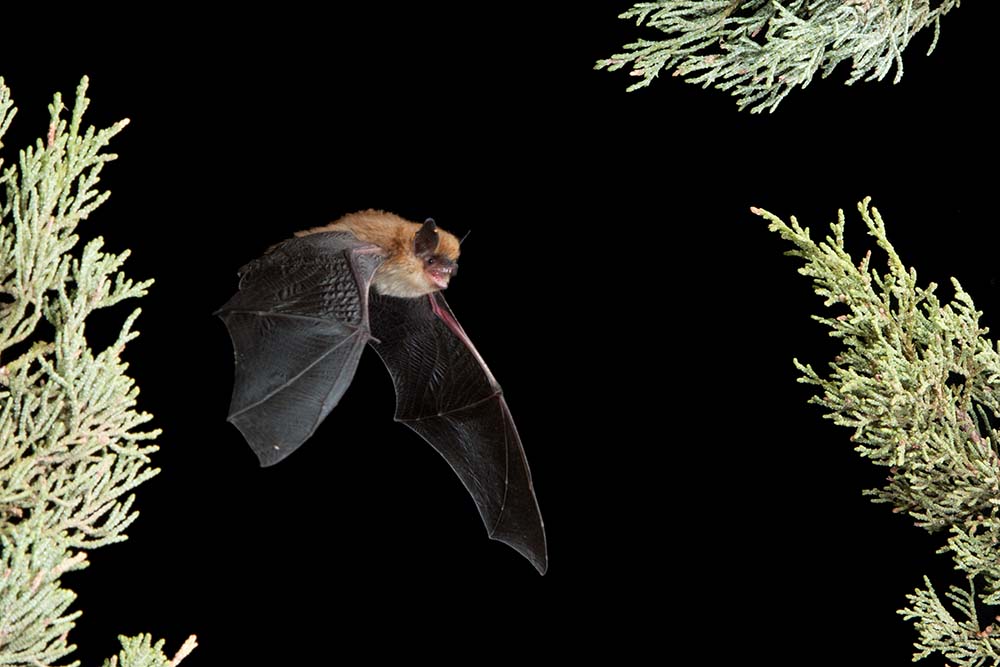
They’re more than creatures that go bump in the night—bats are important mammals in the redwood forest. Learn more about the bats that call California home with Dr. Winifred Frick, Chief Scientist at Bat Conservation International and a professor in Ecology and Evolutionary Biology at UC Santa Cruz.
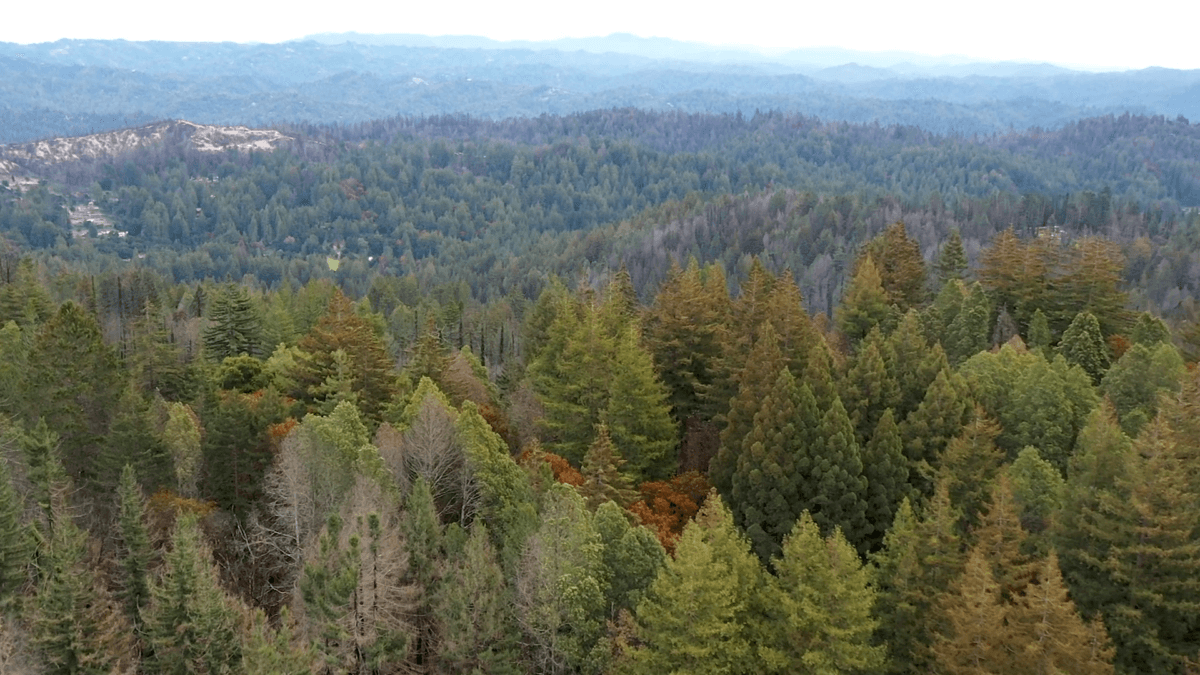
AB 679 cuts through green tape so California State Parks and conservation partners can move quickly to protect our majestic redwoods, expand parklands, and bring new life to Big Basin and other parks devastated by the CZU Fire.
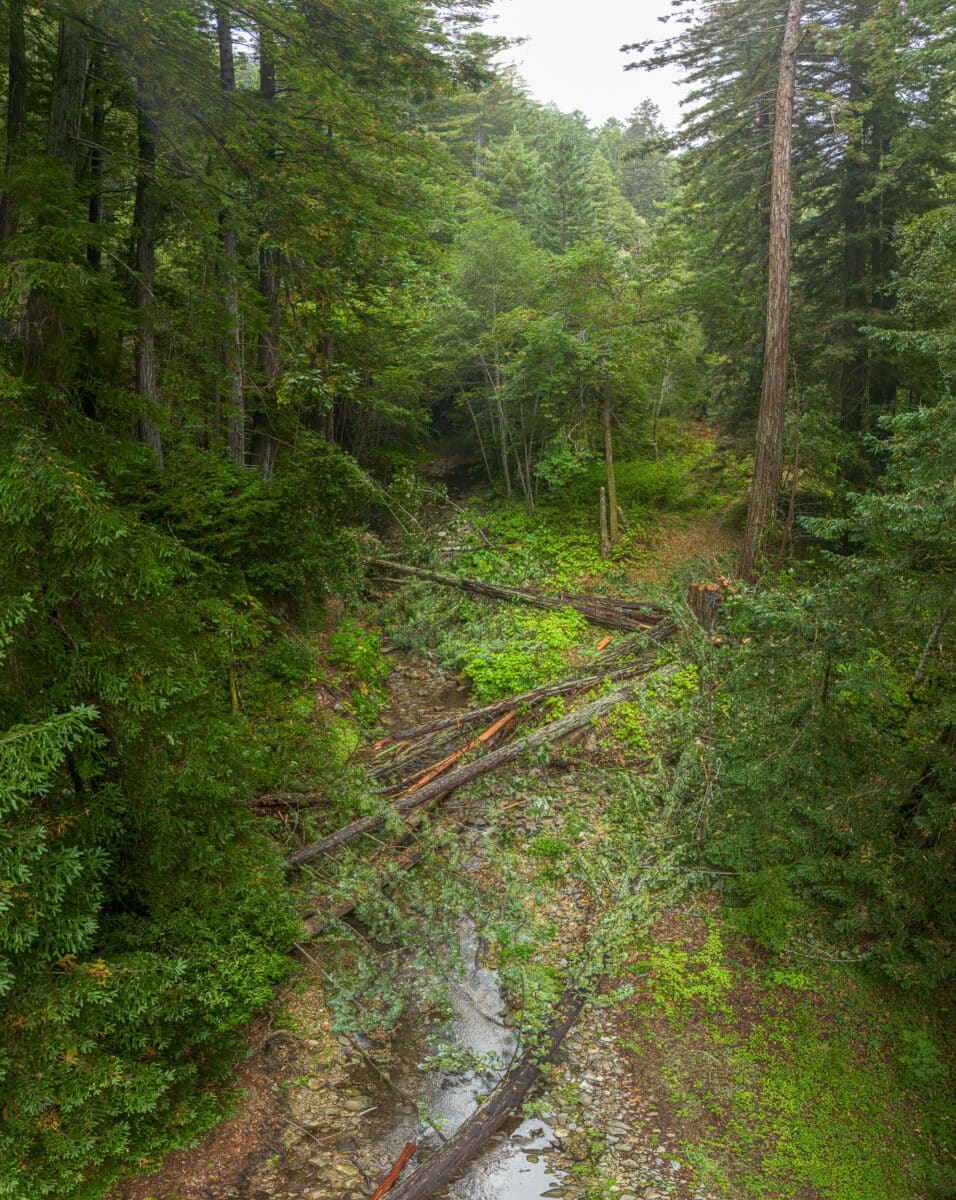
As we mark the four-year anniversary of the Mill Creek dam removal, we’re celebrating new signs of hope for coho and the interconnected habitats of the Santa Cruz Mountains—from creek to sea—exploring how they support one another, and how we support them.
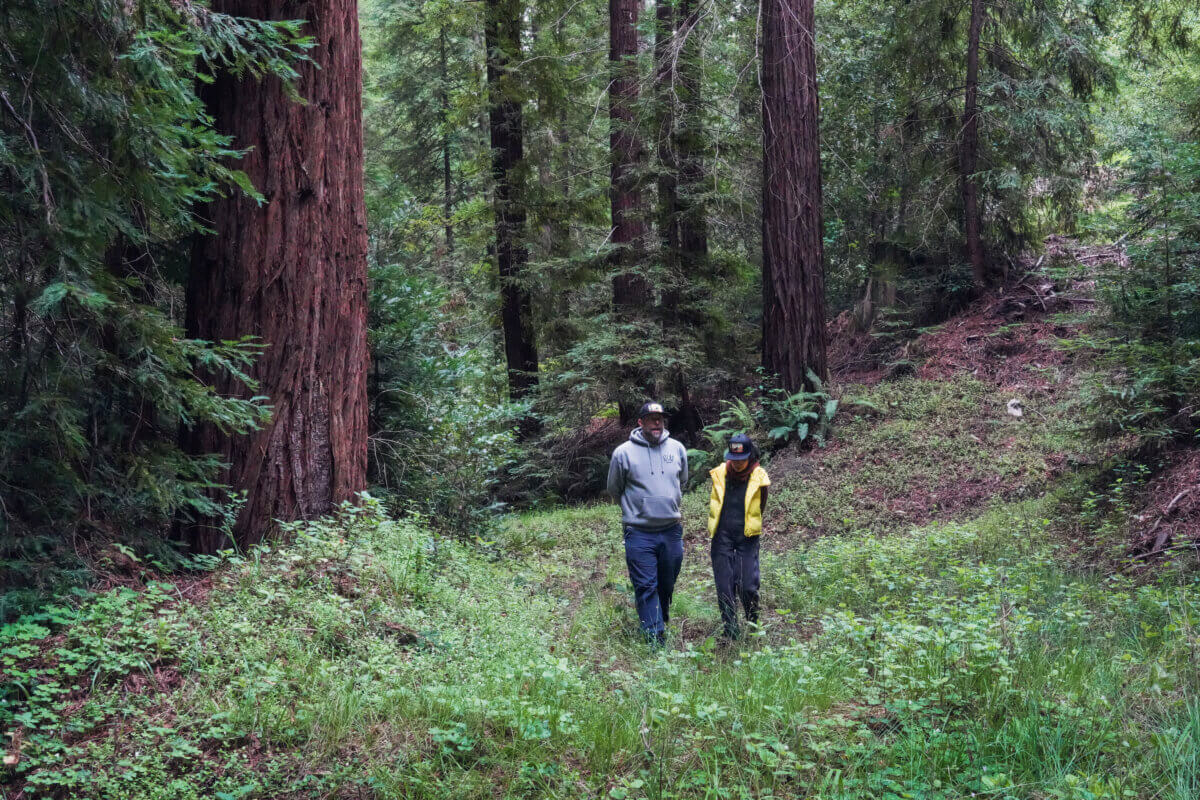
Among the hallmarks of healthy redwood forests are trees of varying ages growing and thriving together. Achieving this diversity of ages, or chronodiversity, can improve old-growth conditions, which leads to greater habitat diversity—two essential outcomes for redwoods to thrive in the Santa Cruz Mountains. Read on to learn about the importance of chronodiveristy in coast redwood forests.
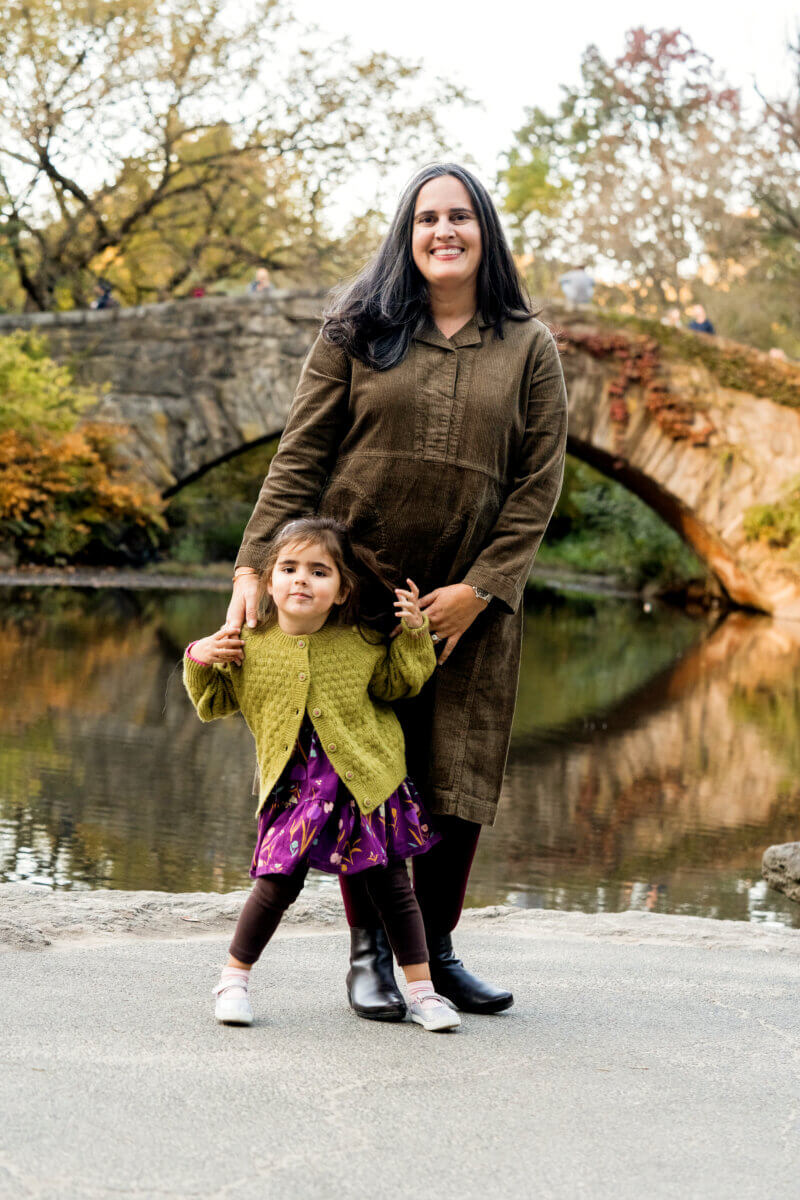
Raj-Ann Rekhi Gill joins Sempervirens Fund’s board of directors to help lead conservation efforts at California’s first land trust.
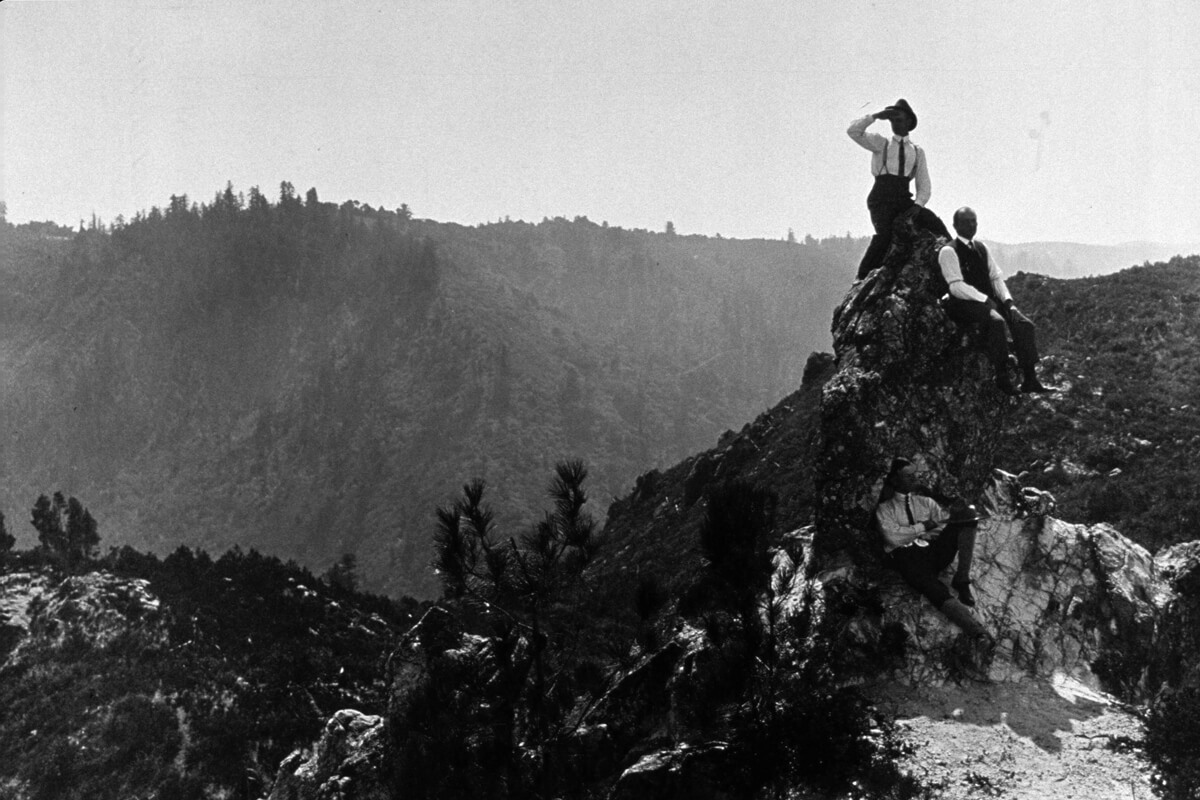
125 years in photos! In 1900, a group of citizen activists banded together to form Sempervirens Club—now Sempervirens Fund—and committed to protecting and nurturing coast redwoods. As we reflect on our legacy and look forward to the future, we are forever thankful to our vast community of supporters like you for your unwavering commitment to protecting redwoods.
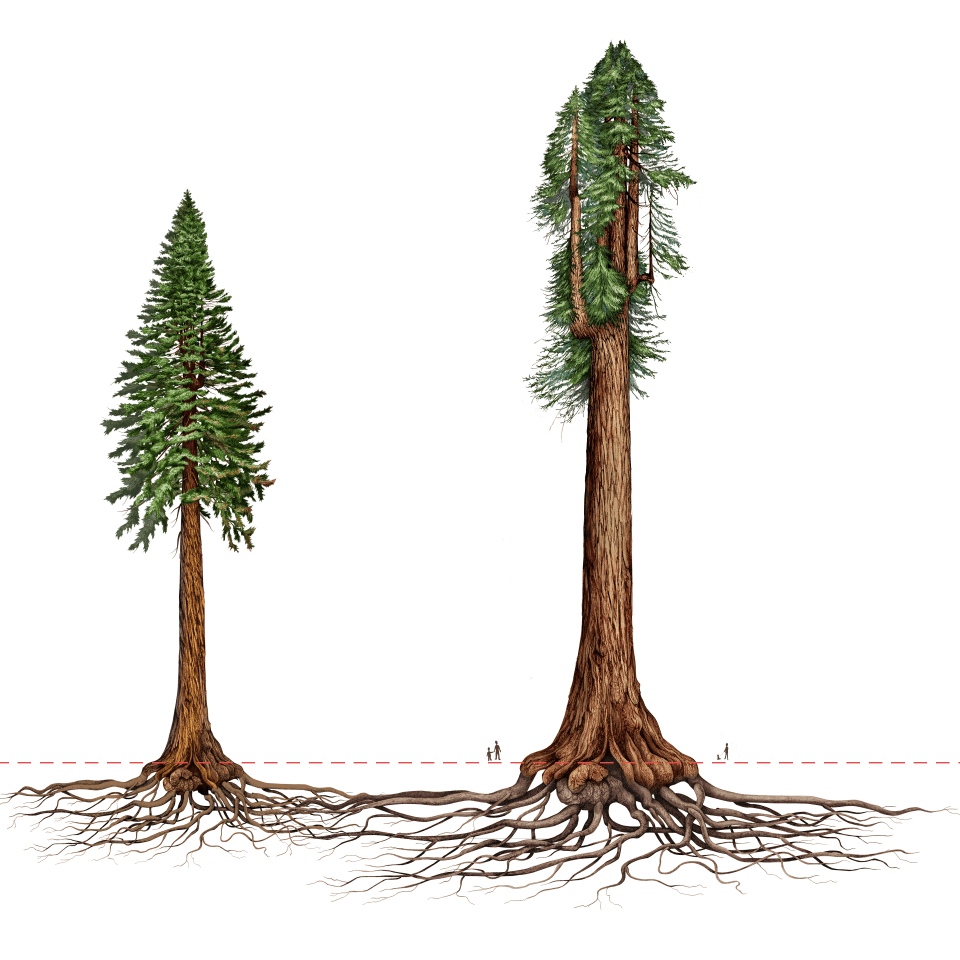
Among the hallmarks of healthy redwood forests are trees of varying ages growing and thriving together. Achieving this diversity of ages, or chronodiversity, can improve old-growth conditions, which leads to greater habitat diversity—two essential outcomes for redwoods to thrive in the Santa Cruz Mountains. Read on to learn about the importance of chronodiveristy in coast redwood forests.
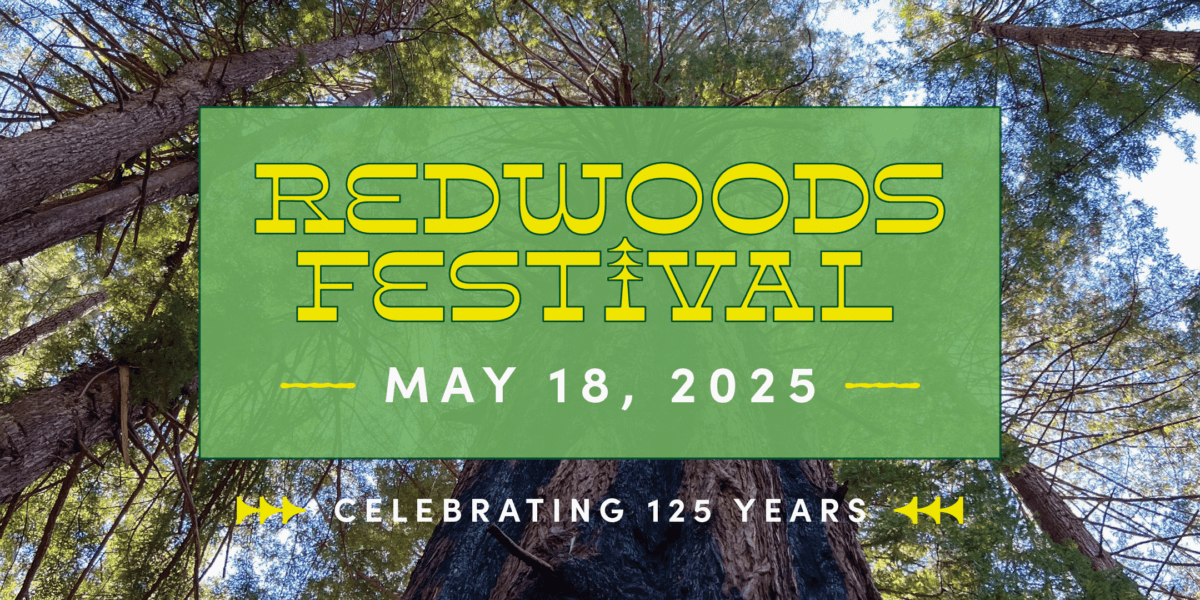
On May 18, 2025, 125 years after Sempervirens Fund was founded, hundreds of supporters joined us at the historic Roaring Camp, for our first-ever Redwoods Festival to celebrate 125 years of protecting redwoods in the Santa Cruz Mountains! Thank you for your support!
Sign up for News
Media Inquiries?
Call (650) 949-1453 x207 or email redwoods@sempervirens.org
In The News
See the latest coverage of Sempervirens Fund In The News.