
News
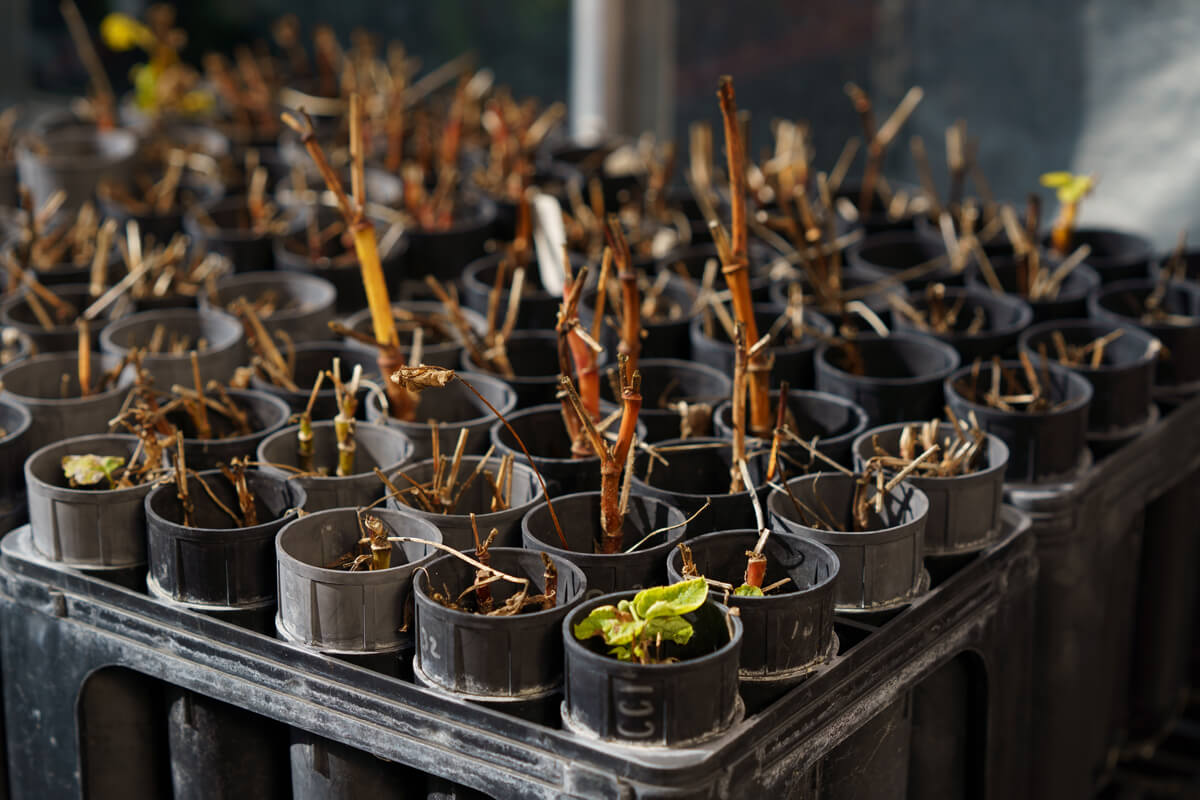
Plant a native plant and habitat is restored! Right? The saga of these seedlings, five years in the making, offers a look at the deceptively difficult process and planning that come before planting and the seemingly endless problems that stand between their roots and restoring native habitat.
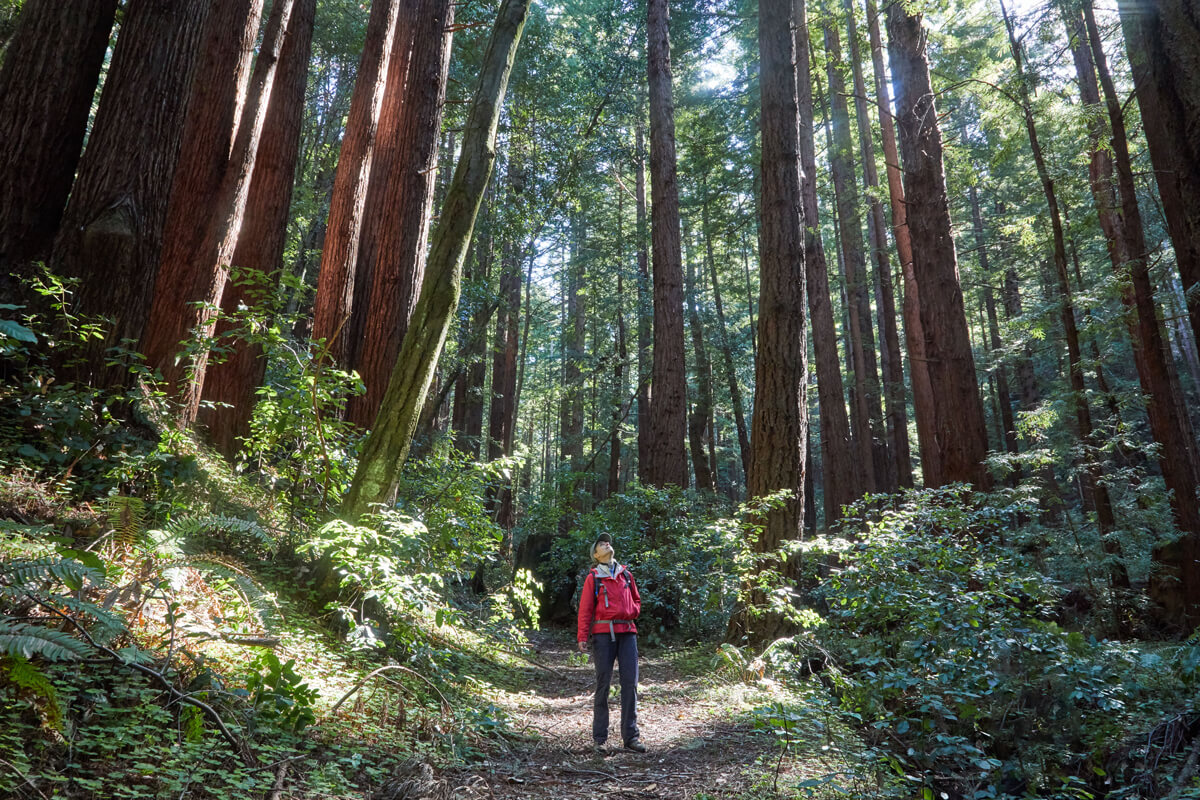
Sempervirens Fund and The Y of San Francisco finalize permanent protection of Camp Jones Gulch, including old-growth redwoods in the Santa Cruz mountains.
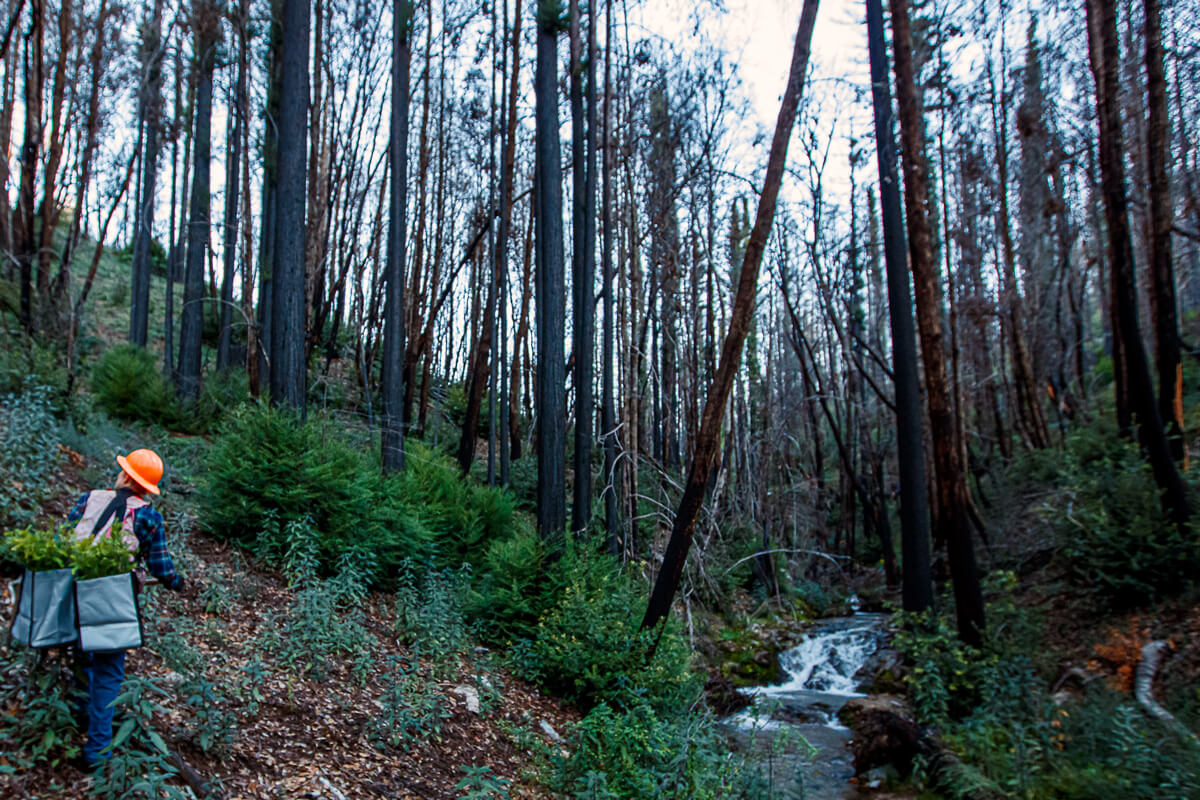
Seeds–the size of a tomato’s–can grow into the tallest trees on earth, restore the footprint of a decimated forest, and help support life–of plants, animals, and people–for thousands of years. But it won’t be easy. Many challenges lie in waiting first. Read on for the story of a redwood seedling plucked from its home to grow safely, only to return and valiantly help restore the forests and habitats of San Vicente Redwoods.
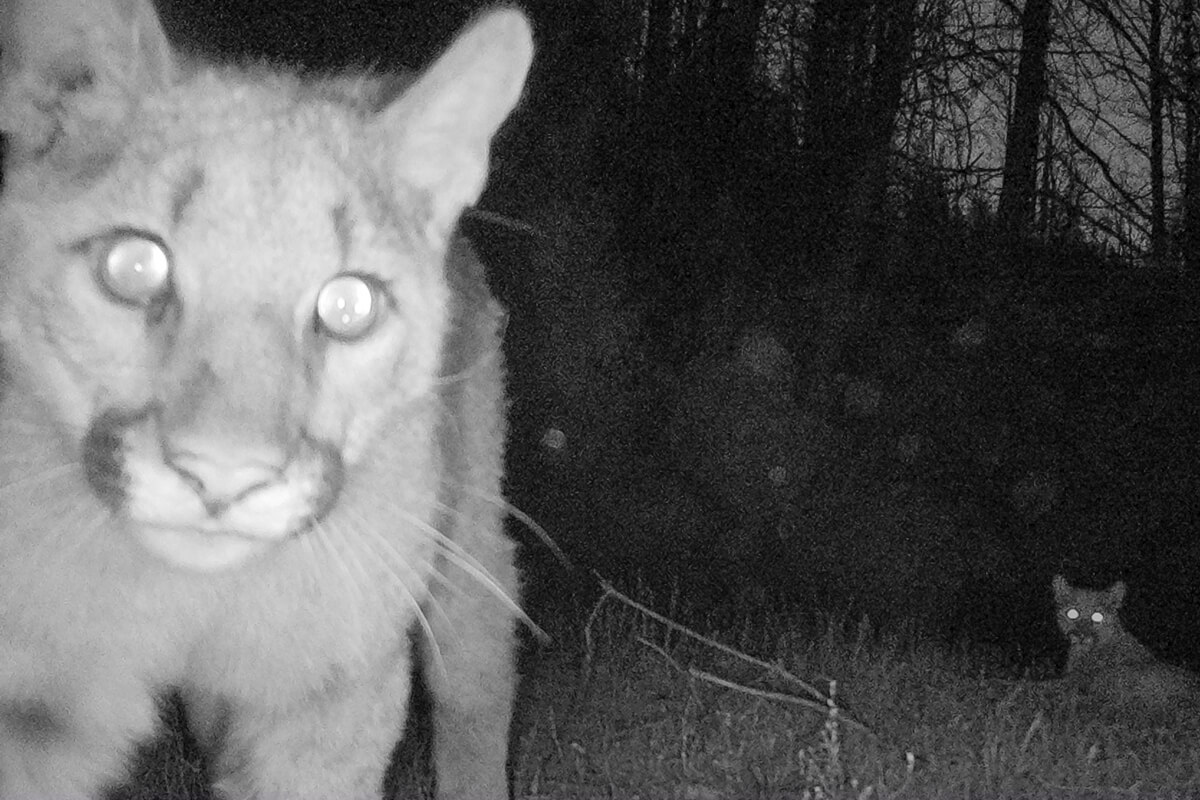
While the size and majesty of a coast redwood often dominates the landscape, like all ecosystems, there is so much more than meets the eye–a complex, delicate, and intricate web of life comprised of the reciprocity of thousands of life forms from the microorganisms in the soil, fungi and insects, to the plants, trees, and wildlife. What can monitoring wildlife on the land, water, and air tell us about recovery and recreation in the forest? Read on to learn more.
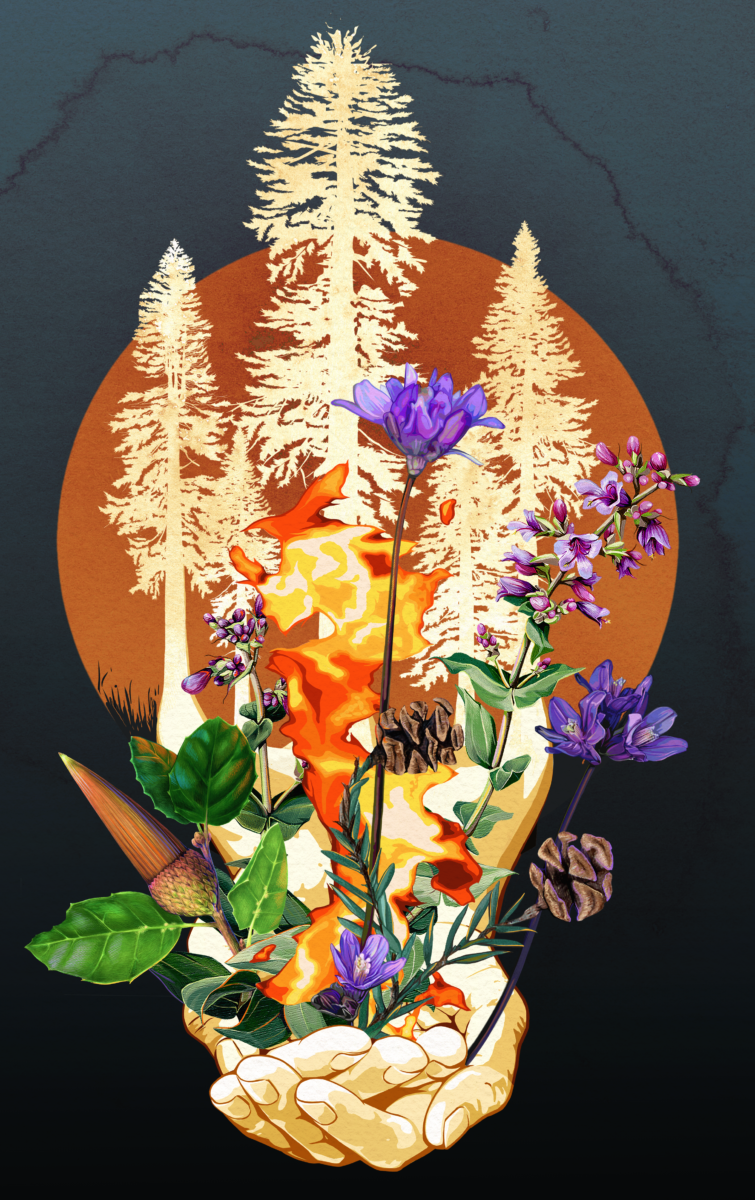
In the third part of a new series by Julia Busiek about the impacts of climate on redwoods, we explore how human-caused conditions that led to the CZU fire have been building since the beginning of European colonization, and what, if anything, can be done to prevent it from happening again.
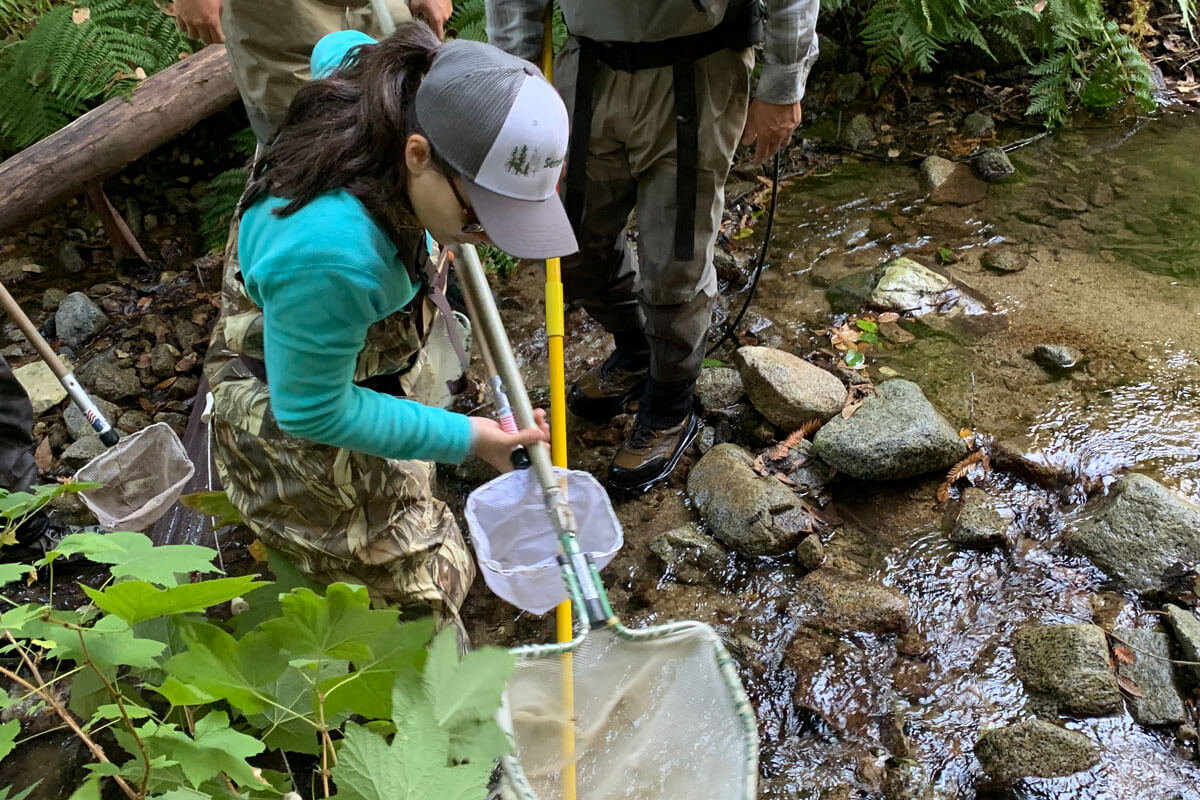
On October 4th 2021, the Mill Creek Dam was removed. Within a year of Mill Creek Dam’s removal, habitat is being restored and wildlife–including coho salmon–are returning.Read on to learn more about coho, cobble, and creek beds, and what’s next.
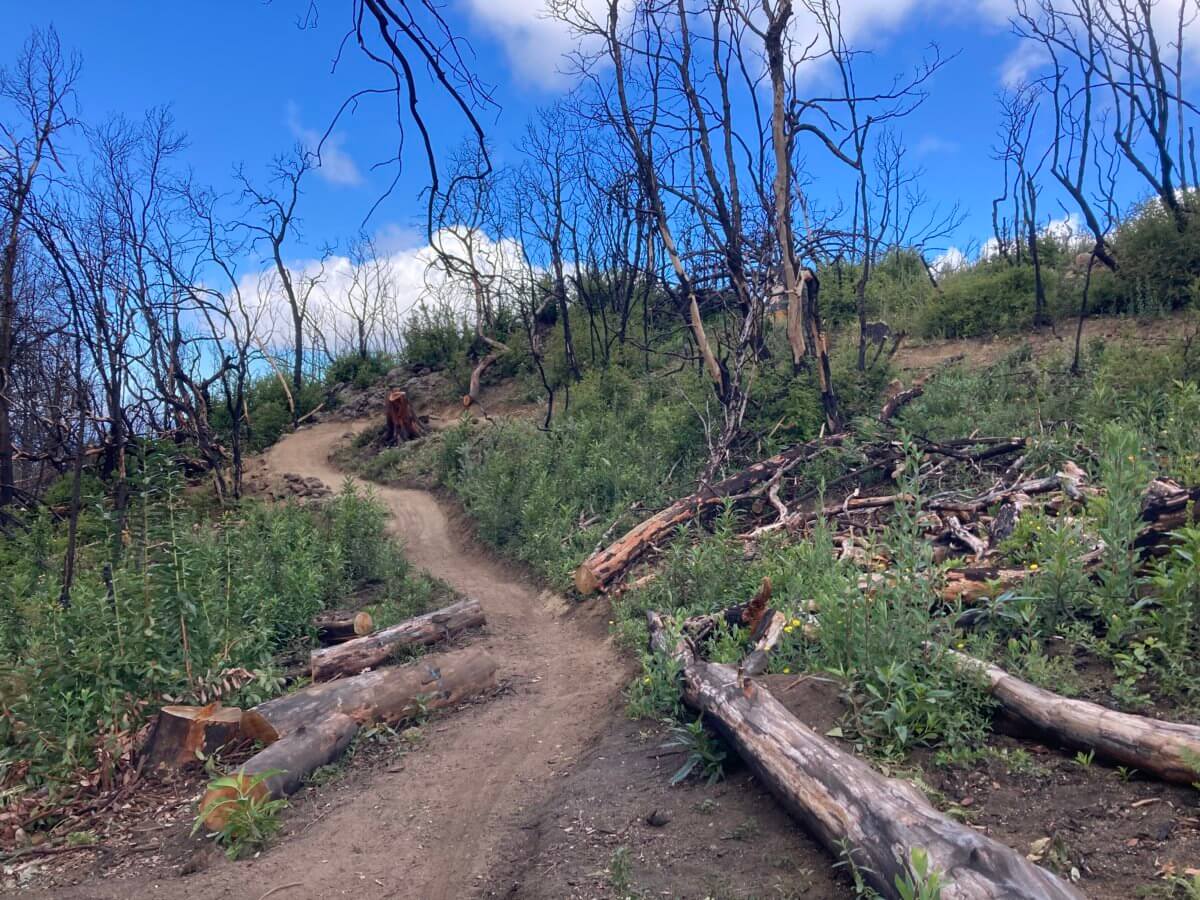
The first phase of an envisioned 38-mile multi-use trail system will open at San Vicente Redwoods on Saturday, December 3, 2022.
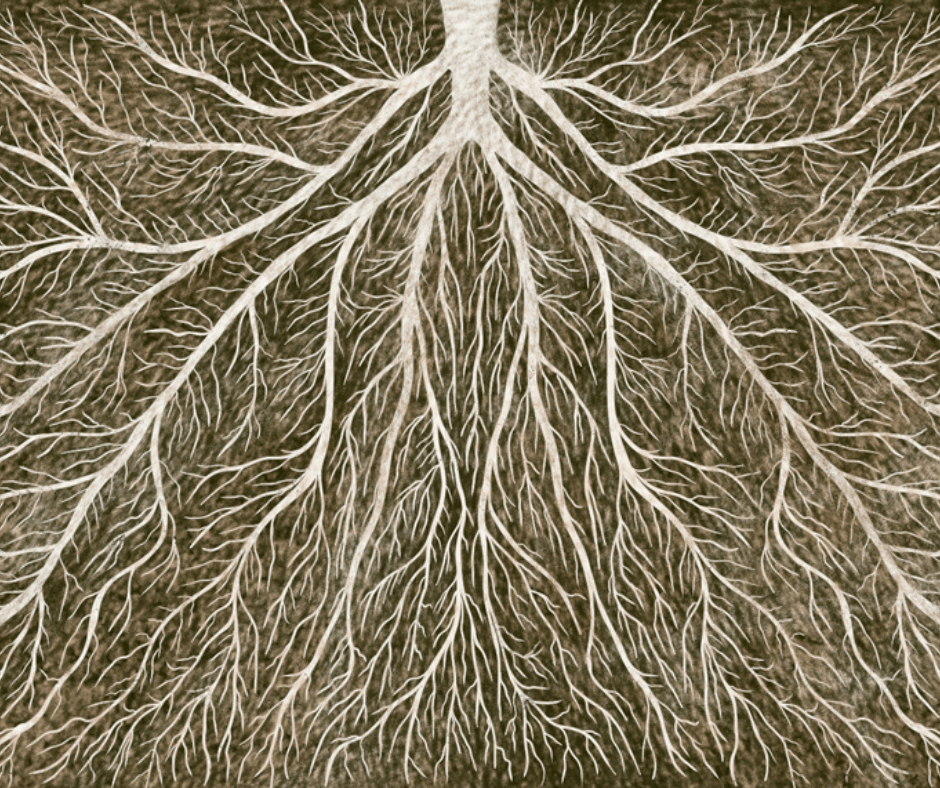
Redwood trees are world famous, and each year, their allure draws millions of visitors from around the world. What most park visitors overlook, however, is a lesser-known group of organisms whose biology is vital to survival of the trees. These organisms are fungi, and we would be wise to pay attention to them.
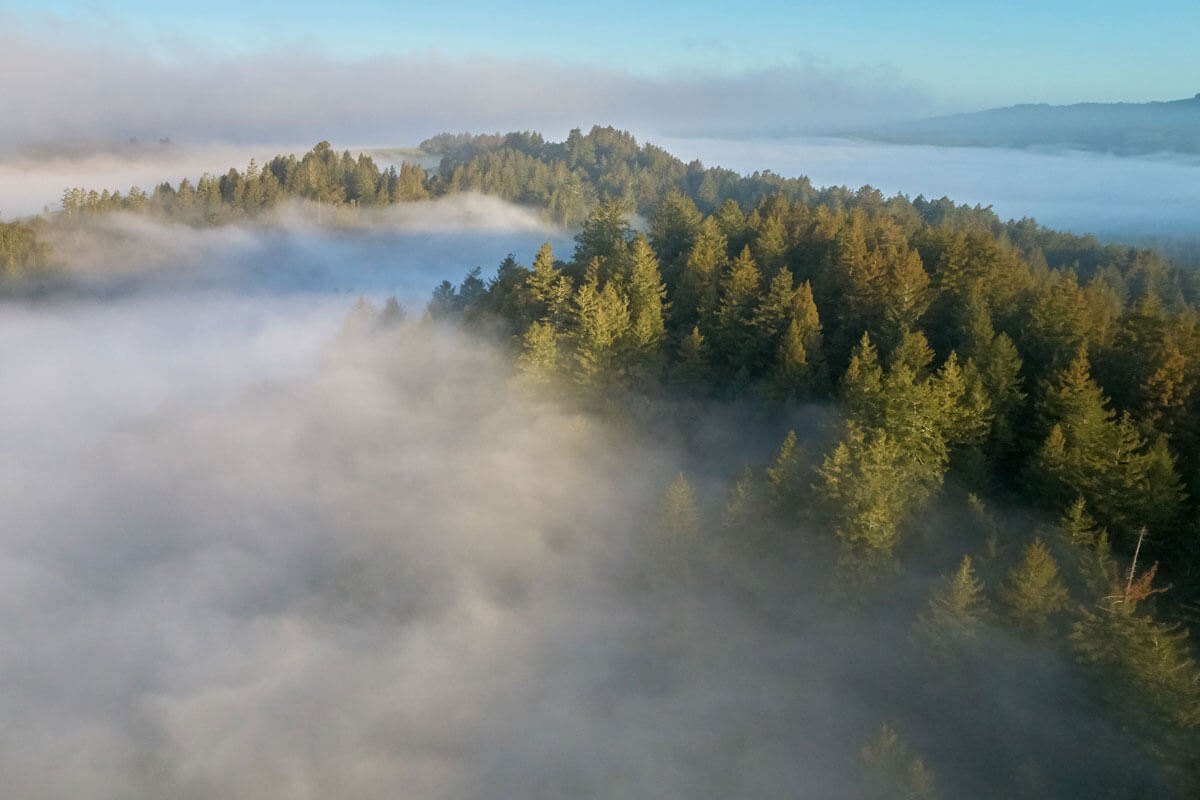
$15M Redwoods Now, For All, Forever campaign funds will help protect more than 1,000 acres of critical redwood forests including Camp Jones Gulch and the Gateway to the Big Basin.
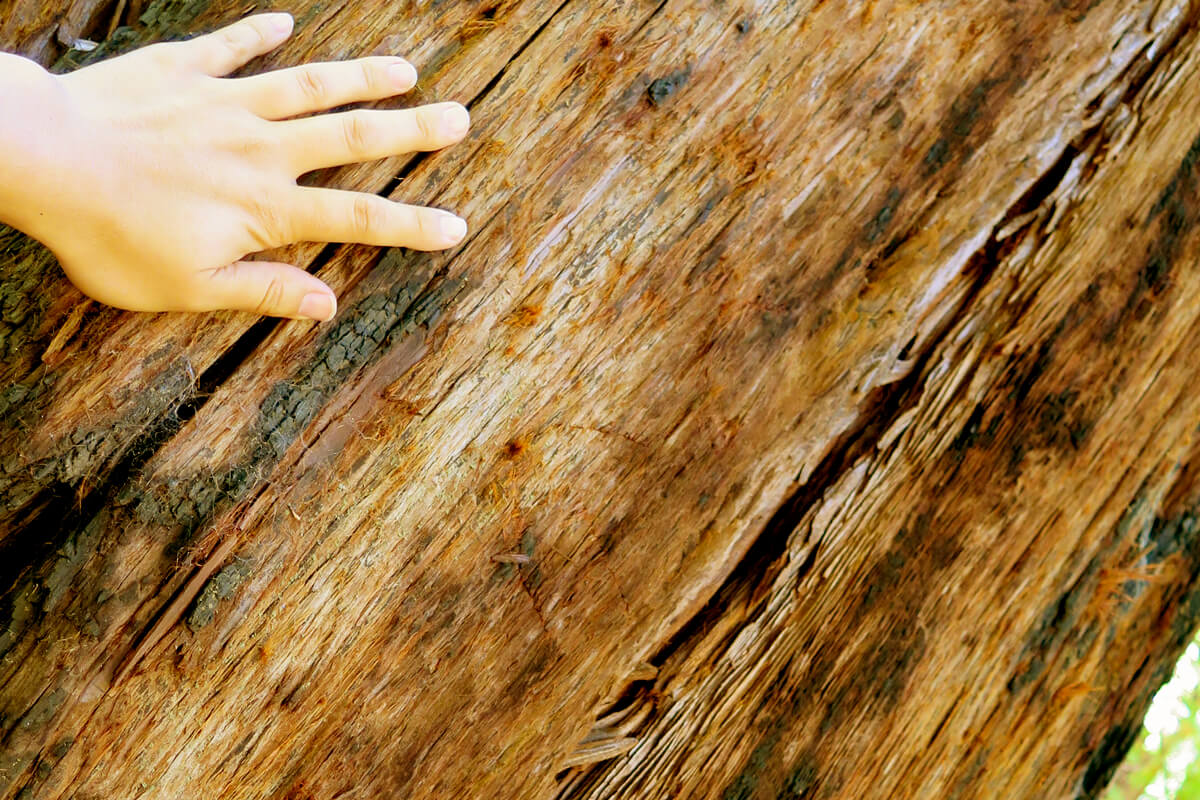
Whether it’s camping, hiking, going to the beach, or attending camp, connecting with nature doesn’t have to end with summer. In fact, it’s incredibly helpful to our physical, mental, and social health to maintain our connection to nature and experience it often. We spoke with outdoor educators at the Santa Cruz Museum of Natural History about resources to help us feed our curiosity and connection with nature.
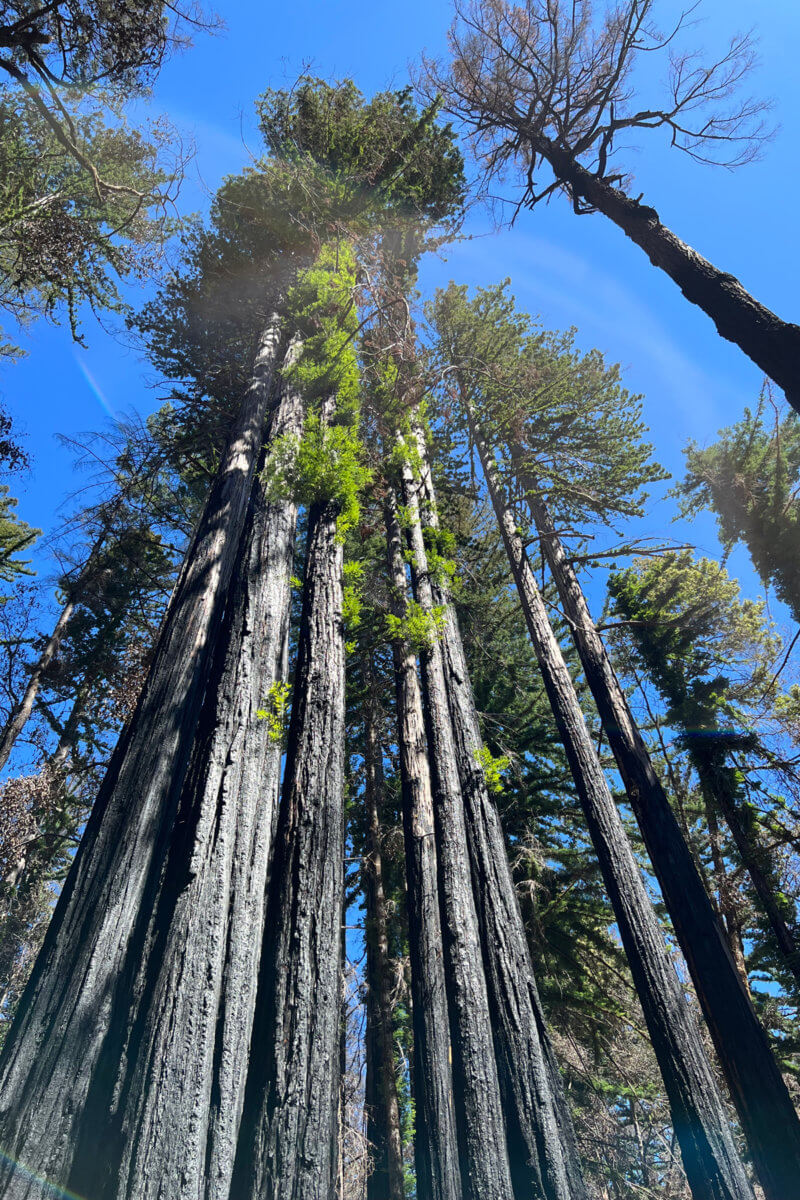
In July 2022, Big Basin re-opened its gates, and as we see our way past the two-year anniversary of the CZU fire, people are visiting once more. We talked to staff and interns about their experiences and spoke with our director of conservation about our work at the park and at a newly acquired nearby property that may well have a role in the park’s future.
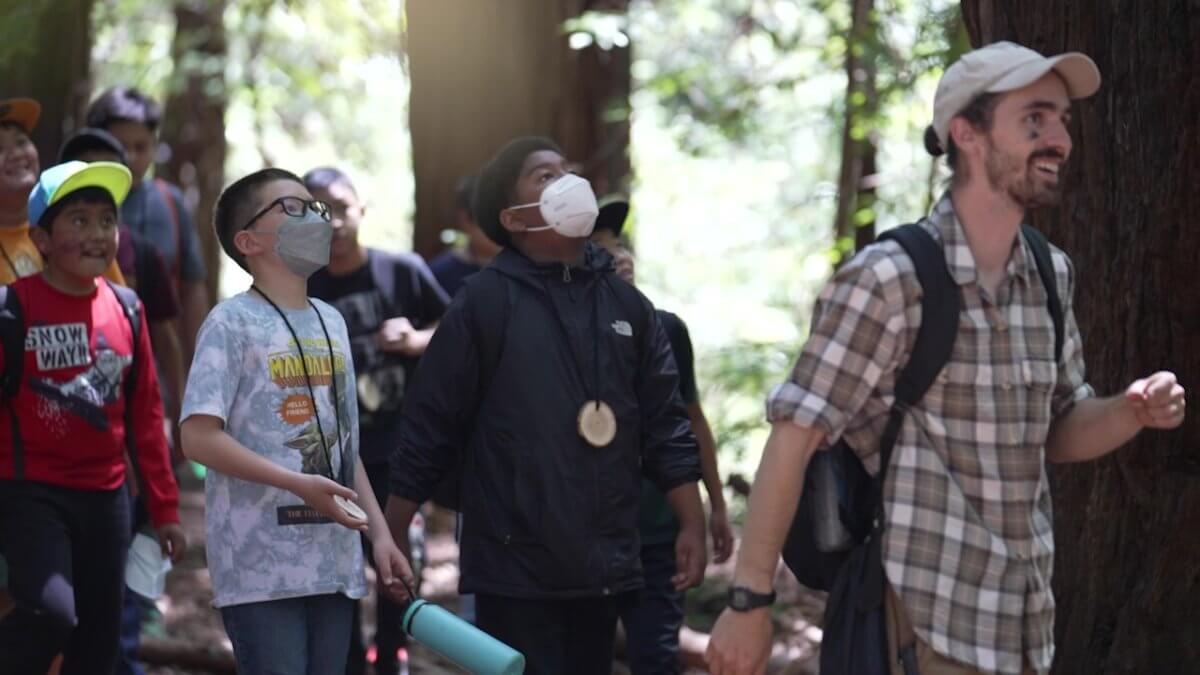
Camp Jones Gulch has sparked a passion for the outdoors for thousands of young people. We talked with campers and the Y of San Francisco’s outdoor education leaders about how protecting Camp Jones Gulch protects critical, diverse habitats, and outdoor education and opportunities with exponential impact for the environmental movement.
Sign up for News
Media Inquiries?
Call (650) 949-1453 x207 or email redwoods@sempervirens.org
In The News
See the latest coverage of Sempervirens Fund In The News.